
Project Yellowstone

Zero to Mission in 15:
Accelerating C5ISR Mission Capabilities to Warfighters at the Tactical Edge
What We Do
Project Yellowstone is a rapid industry collaboration consortium that brings C5ISR software and hardware partnerships to align JADC2 program MOSA framework with tactical edge focus. Through Project Yellowstone, industry technology partners are proactively teaming together to address the most urgent C5ISR mission operation readiness challenges in the DDIL environment with speed. We focus on technologies that are TRL 7, 8 and 9 and fielding ready.
Why Join Yellowstone:
We accelerate your technology adoption for customer demos and fielding exercise, especially in the DDIL tactical environment. We help to align teaming solutions to government requirements. We facilitate government, industry & academia collaborations. We provide funding guidance to support innovation scaling & adoption.

Capability 1Rapid Deployment of C2 Mission Applications
What: The ability to deploy complex certified C2 mission applications under 15 minutes with low SWaP edge hardware (1LB, 15 watts)
Why: Reduce time, complexity & cost to deploy C2 apps without requiring highly skilled C2 engineers. Built for solving “speed” and “sustainment” of mission operations in DDIL environment.

Capability 2Operationalize Command & Control
What: The ability to integrate multi-domain tactical data links (ex: Link 11, 16, 22, JREAP), passive radar & RF sensing data, and Intel feeds to enhance faster decision-making ability and improve overall tactical mission operations.
Why: Reduce operator data cognitive overload and simplify data interoperability based on existing mission applications (can integrate with MSS, Lattice & TAK)
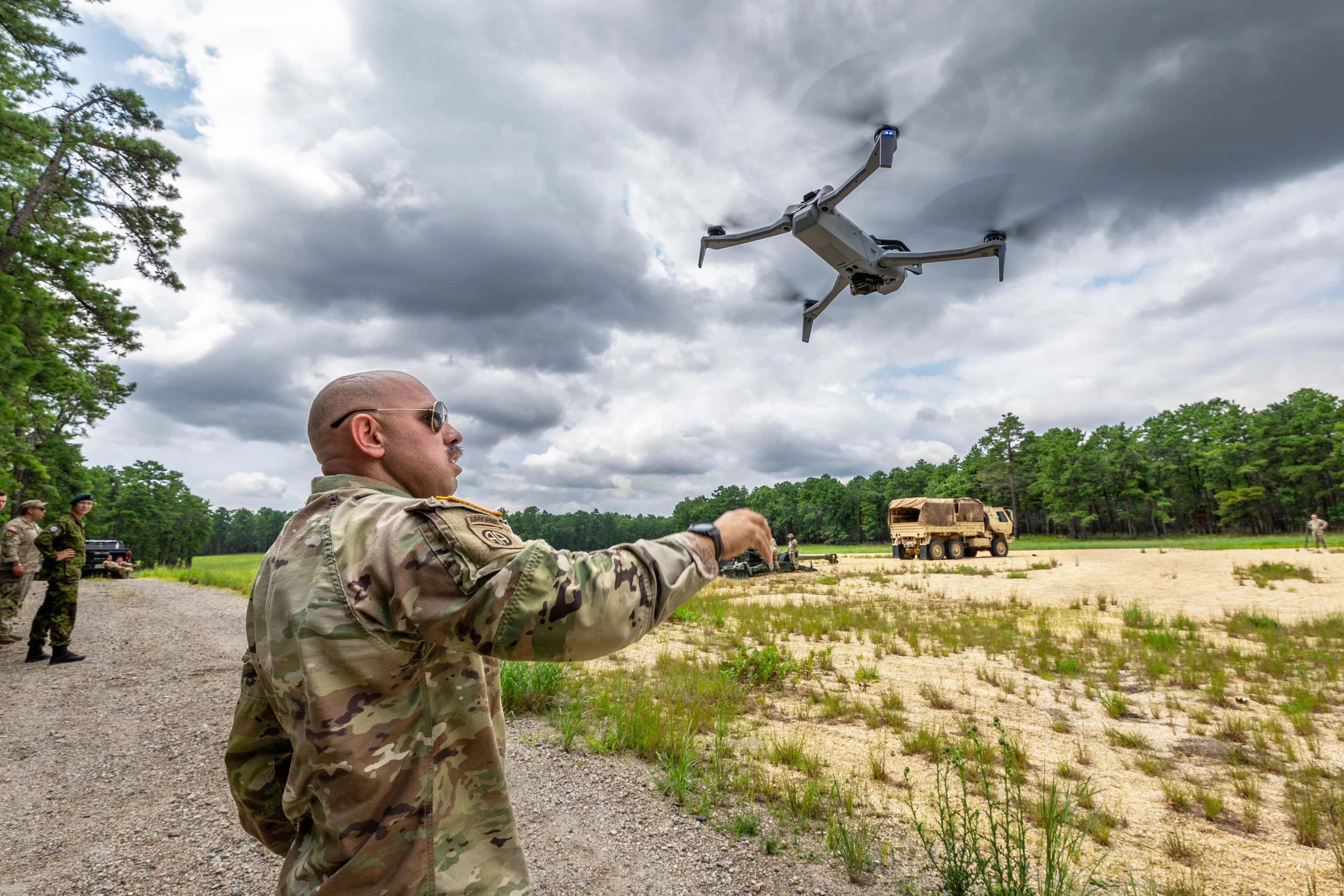
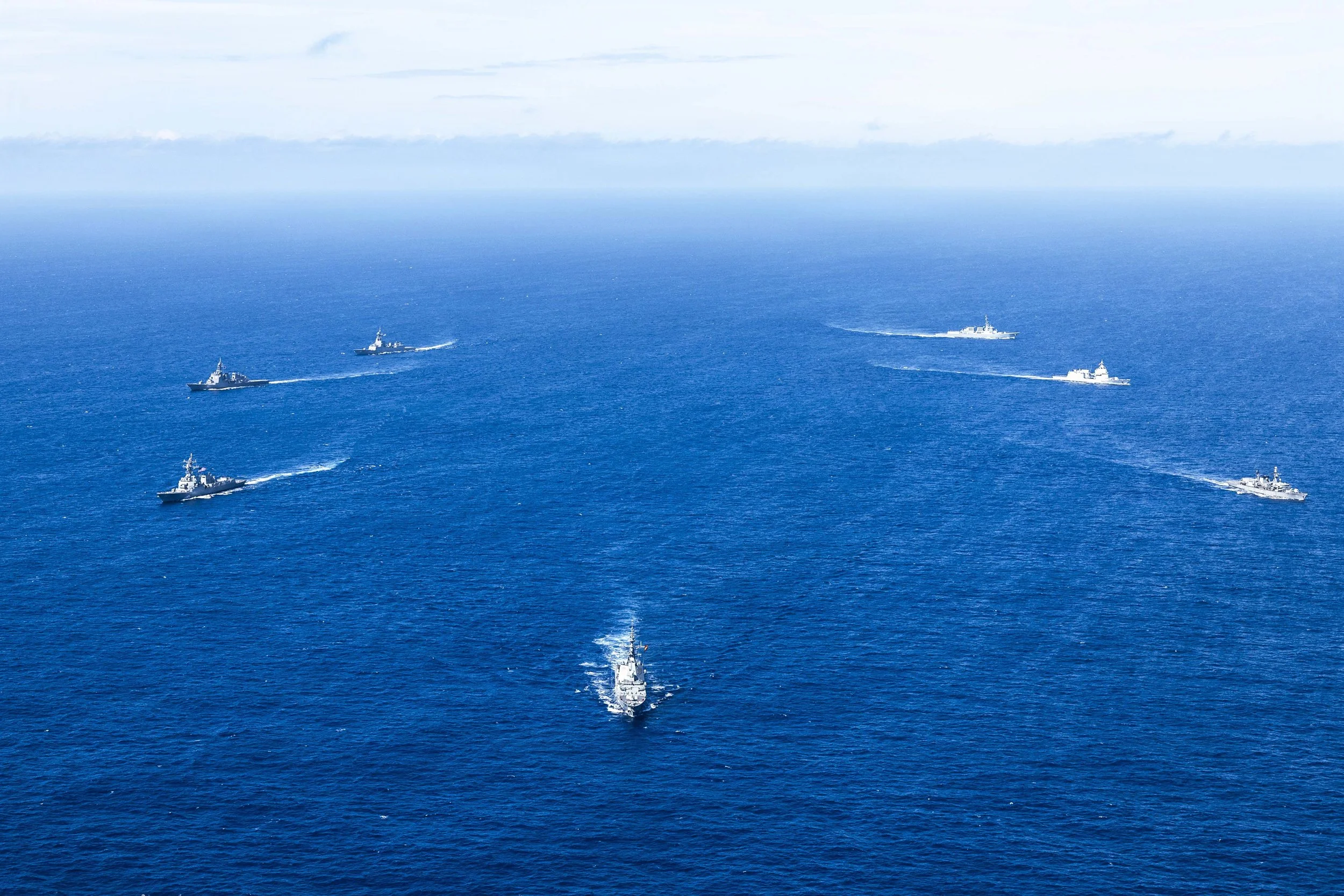
capability 3UAS, C-UAS, Passive Radar, RF sensing, Signature, EW
What: Various sensor technology capabilities that contribute to the battlefield readiness and the ability to integrate into DDIL environment command & control data platform
Why: Sensor edge data interoperability and integration is a must have for C5ISR to ensure the information flow and exchange for real-time decision making capabilities
capability 4Tactical Visualization and expeditionary display
What: Enable visualization layer to support situational awareness for command center, FOB and AOC. Engineered for 'attritable' logistics aligned to USPACOM & USSOCOM procurement posture
Why: Reduce the complexity of contested logistics for both deployment and sustainment, and improve mission readiness to fight anywhere and anytime

capability 5AI Inferencing at the Tactical Edge
What: Support real-time video processing at the edge with ultra-low latency and high density rugged transcoder, converting 4K full motion ISR sensor video data feeds into actionable video & VMTI metadata
Why: Enhance real-time data intelligence gathering and AI-Inferencing for faster operator decision-making mission readiness

capability 6Data Fabric Standard & Interoperability
What: Protect, classify, move, and accelerate mission data across accredited cores, cloud enclaves, coalition fabrics, and disconnected edge environments.
Why: Accelerate the mission AI capabilities through establishing common data sharing platform with data governance and security
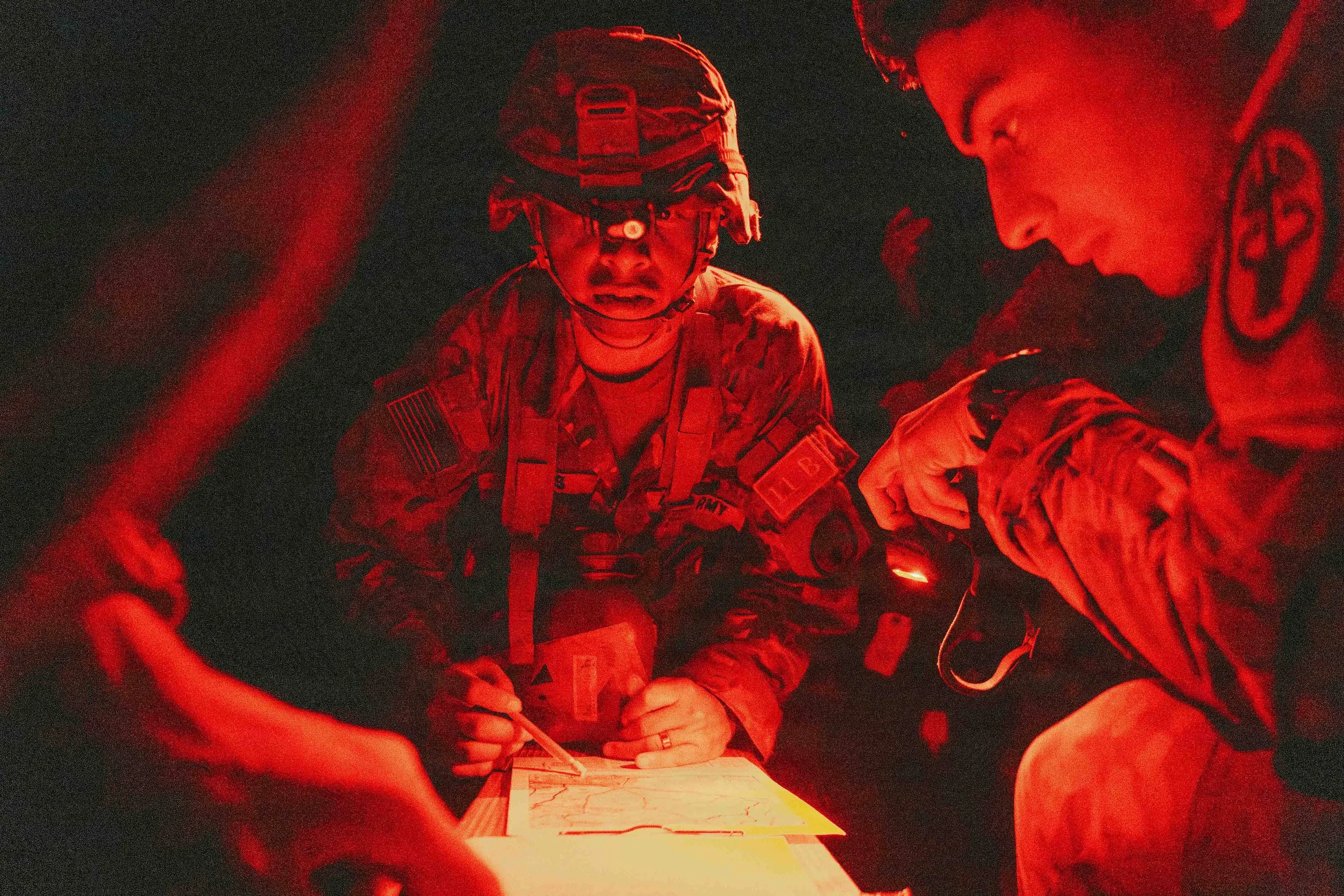
capability 7Transport & Communication
What: Tactical flyaway kits for transport & communication software defined radio, 5G, satellite that ranges from single operator man-pack to small form factor command post deployment
Why: Reduce the physical footprint for expeditionary mission readiness

capability 8Energy Generation & Storage
What: Enable various energy generation and storage capabilities based on the environmental & logistic challenges
Why: Support contested logistics and sustainment for mission strategy & readiness
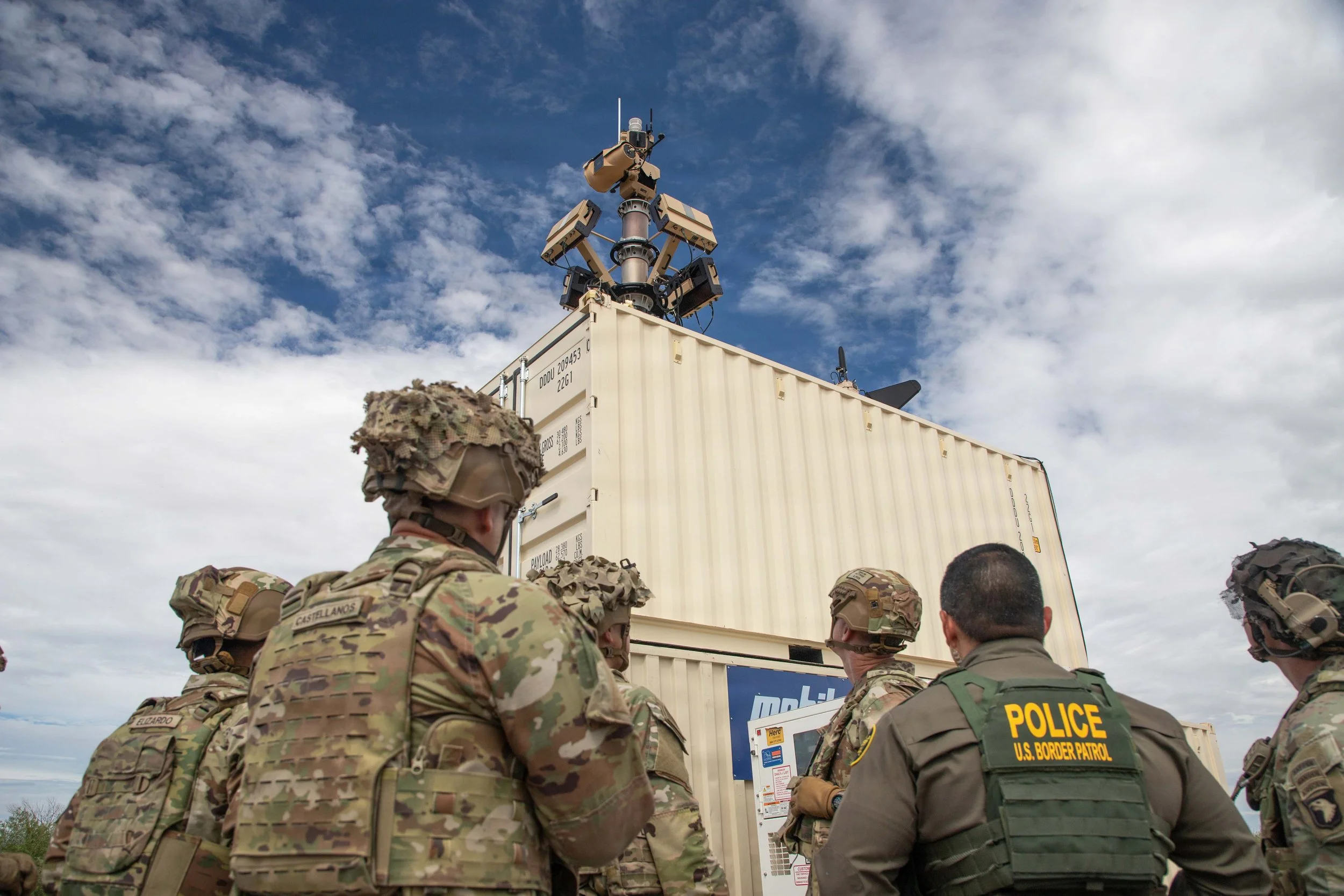
capability 9Modular Command Center, SCIF, Military Housing & Data Center
What: Support rapid deployable and relocatable modular mobile command center, SCIF, military housing and modular data center infrastructures
Why: Provide the flexibility and rapid deployment capability for contested logistics and sustainment
capability 10Zero Trust, AI Machine-to-Machine Security, SOC-X, ICAM, Post Quantum Encryption
What: Enable cybersecurity solution capabilities for IoT, Physical AI, cross domain, data-in-motion & data-at-rest from edge to core to cloud
Why: Strengthen real-world solution adoption & government cybersecurity requirements by designing the right cybersecurity for the right use case from day one